01
Photograph the meal
Take or import a photo and get likely foods, portions and a carbohydrate estimate without pretending the camera is perfectly precise.
SnapCarb is built especially for people with type 1 diabetes: take a meal photo, get a likely carbohydrate estimate, correct the food or portion, then see how the confirmed carbs convert using your own insulin-to-carb ratio.

When you already know your own insulin-to-carb ratio, the frustrating part is often the meal in front of you: How many carbs are actually there? SnapCarb starts with the photo, helps estimate the meal, makes correction easy, and then shows the conversion using the settings you already use.
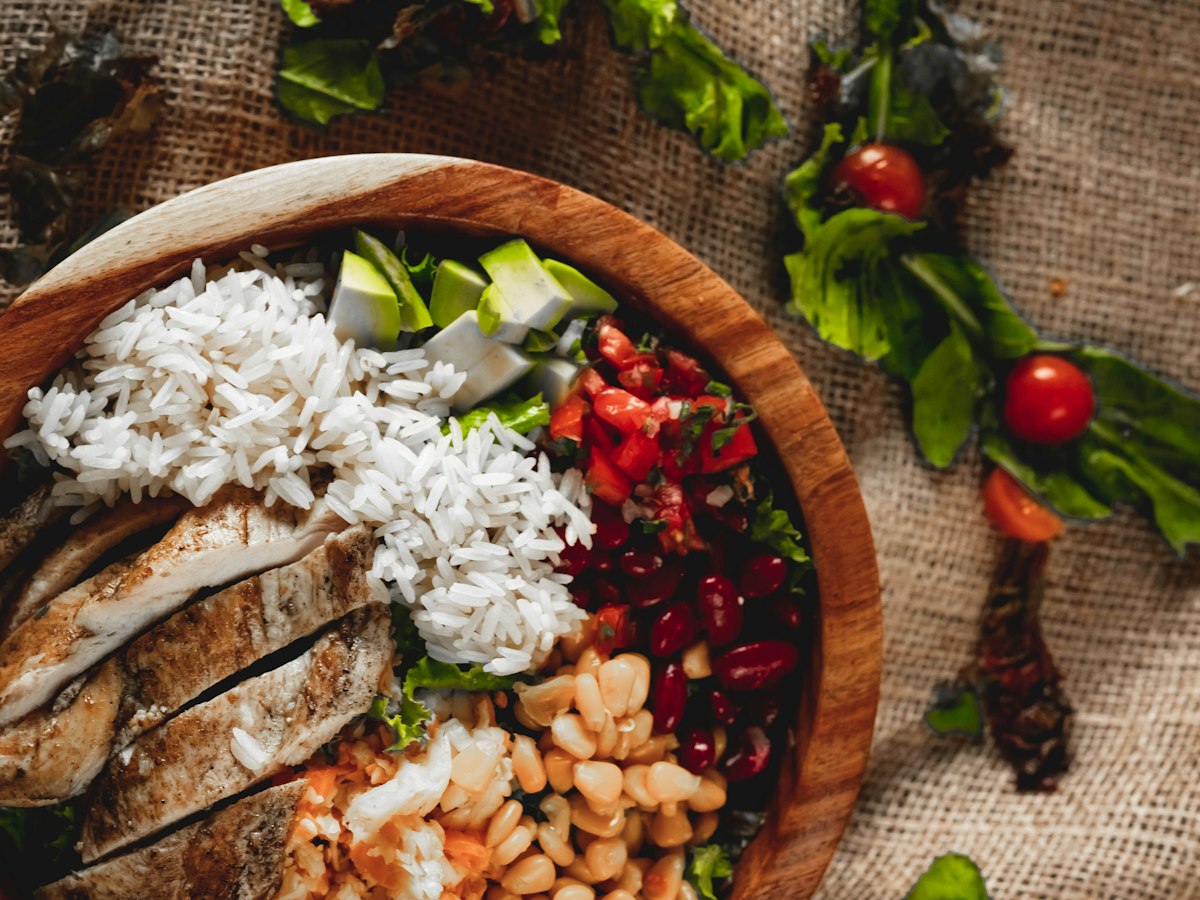
Rice, potatoes, mixed dishes and real portions do not arrive with perfect labels. SnapCarb starts from what is actually on the plate, helps build an estimate, then lets you correct it before the numbers go any further.
SnapCarb focuses on the mealtime workflow: estimate the carbs, correct the estimate, then translate the confirmed amount through your own configured settings.
Take or import a photo and get likely foods, portions and a carbohydrate estimate without pretending the camera is perfectly precise.
Change the food, portion or carb amount before anything is converted. The estimate is a starting point, not a command.
Apply your configured insulin-to-carb ratio to the confirmed carbohydrate amount and show the carb-coverage calculation clearly.
Remember recurring foods, plates, bowls and corrected portions so familiar meals become faster to estimate over time.
You photograph dinner. SnapCarb first estimates 58 g of carbohydrate. You correct one portion and confirm 52 g. With your own 1:10 insulin-to-carb ratio, the carb-coverage conversion is shown as 5.2 units.
That is the carbohydrate-coverage calculation. Other personal factors can affect the bolus you actually choose.
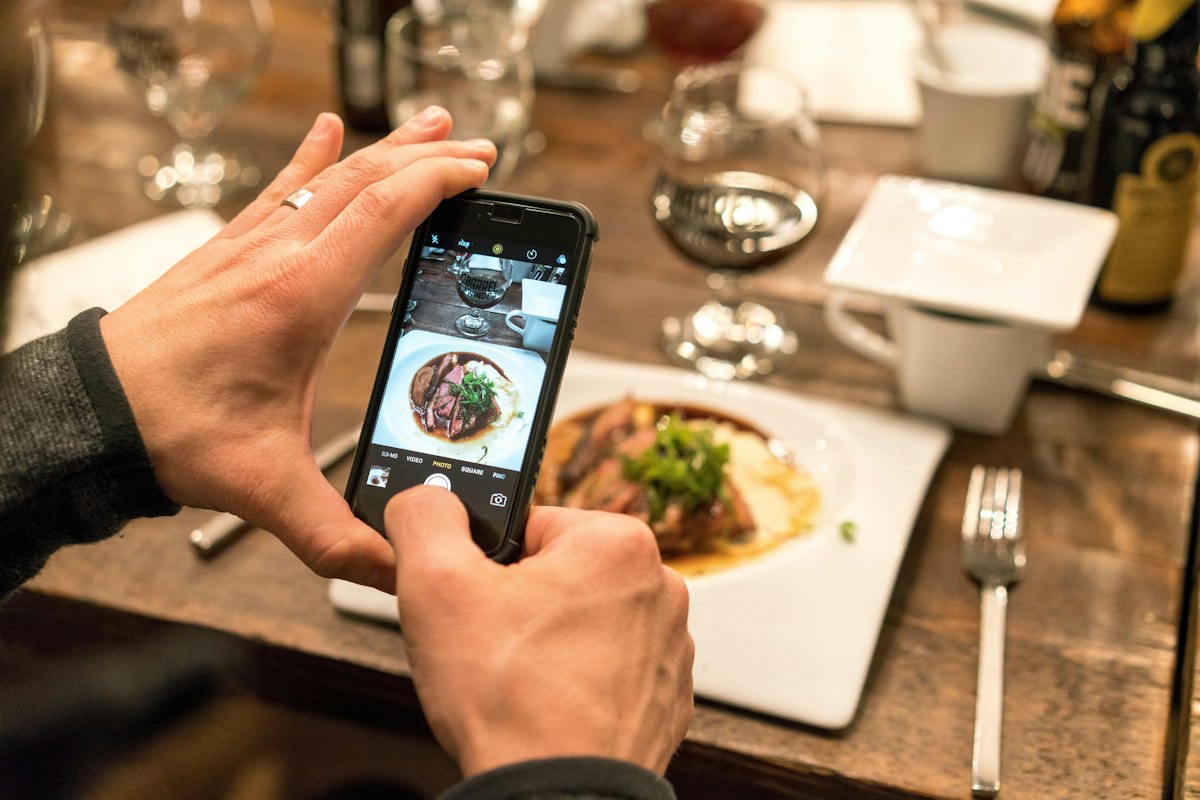
Carb estimation should make the mealtime decision easier to understand, not hide it behind automation.
That is the primary audience: people who count carbohydrates and use a personal mealtime insulin-to-carb ratio. The concept may also be useful to other people who need structured carb estimation.
No. SnapCarb shows the carbohydrate estimate and the carb-coverage conversion using settings you configured. Current glucose, correction needs, active insulin and other personal factors can still affect the bolus you actually choose.
No. Your ratio is personal. SnapCarb uses the ratio you enter; it does not invent a universal ratio for you.
Correct it before using the number. The whole design assumes image estimates can be imperfect and makes correction part of the normal flow.
Yes. Recurring foods, bowls, plates and corrected portions can become a personal calibration library, making familiar meals faster to estimate over time.
No. Food recognition can assist with estimation, but the carb total, your settings and the arithmetic stay visible.
SnapCarb is designed around the real type 1 diabetes mealtime workflow—not a generic calorie tracker with insulin bolted on afterward.